 isospins
AI-Powered Contract Reviewers
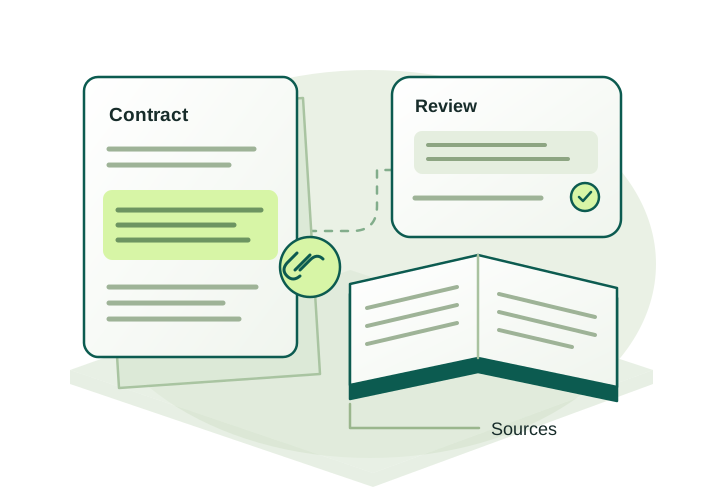
Extract key clauses, flag inconsistencies, and propose draft language against an agreed playbook. Qualified legal professionals review findings and approve contract language and advice.
Explore document, research, and knowledge workflows for legal and professional teams. Connect approved sources to focused AI assistance, with confidentiality requirements, source inspection, and professional judgment built into the scope.
Illustrative engagement opportunities, scoped around the systems, data, and professional responsibilities involved.
Extract key clauses, flag inconsistencies, and propose draft language against an agreed playbook. Qualified legal professionals review findings and approve contract language and advice.
Monitor selected regulatory and policy sources, surface changes, and draft mappings to internal obligations. Legal or compliance professionals verify interpretation and decide required action.
Search authorized internal expertise, matter files, and reference material with source references. Scope access permissions and agentic research steps so staff can inspect the evidence before using an answer.
Research reviewed October 27, 2026. Recent standards, research, and platform developments connected to practical project decisions.
New York's 2026 court policy permits AI-assisted preparation of court papers within existing professional duties and encourages courts to adopt a model verification rule. That model calls for independent review for fabricated authorities and other content; individual court rules and other jurisdictions still need to be checked.
Build contract and knowledge assistants around approved matter sources, visible citations and reviewable drafts. A lawyer should verify authorities, quotations and conclusions before relying on or submitting the work.
An August 2026 New York City Bar ethics opinion extends its AI recording, transcription and summarization analysis to conversations with people who are not clients. It advises obtaining all participants' consent, understanding storage and sharing, and considering whether recording is appropriate at all.
Treat meeting AI as a controlled workflow: make recording optional, collect the required permissions, set retention and access boundaries, and route transcripts and summaries for review. Adapt the design to the firm's jurisdiction, matters and professional obligations.
Source dates indicate publication or last update. Drafts, regional examples, and product announcements are identified in context. The project implications are Isospins’ recommendations for scoping an engagement.
An illustrative engagement to shape around your organization, systems, and priorities.
Discuss a first projectUse approved sample agreements to extract clauses and flag playbook deviations. Show document references beside findings and route proposed language to qualified reviewers.
Start by mapping the workflow, its users, and the information that needs to move. Then identify a useful prototype, the evaluation criteria, and the responsibilities for implementation and operation.
Combine AI strategy, machine learning, generative AI, data engineering, and cloud integration around the needs of this industry.
Explore the full service portfolioBring these questions to the first conversation. We can work through the unknowns together.
Start a conversationWhich documents may each team member access, and how must matter boundaries and client confidentiality be enforced?
Which outputs require a qualified professional's verification, and how will reviewers see the underlying source?
What jurisdiction, client-consent, retention and vendor terms govern recordings, documents and generated work?
Start a conversation about your application, AI opportunity, or cloud environment.