Can you tell us why our cloud bill is increasing?
A review can connect the selected charges with resource use, configuration, environments, and business activity. The quality of that explanation depends on the billing and operational information available. Gaps in allocation or observation should be recorded as findings.
Do you guarantee a particular saving?
The review does not assume a savings amount. Opportunities depend on actual usage, architecture, commercial commitments, and application needs. Any proposed improvement should identify its assumptions and be assessed after implementation.
Will the review require changes to production?
An assessment can begin with agreed billing, usage, architecture, and operational information. Implementation is a separate scope with the required approvals, access, verification, and rollback planning. The proposal should distinguish observation from changes to the environment.
Should we migrate to a different cloud provider?
That decision needs a reason tied to the application and the business. A review can compare improvements within the current environment with a migration or modernization option, including dependencies, operating effort, costs, and transition requirements.
Can you work with our existing managed service provider?
The engagement can be scoped around the access and responsibilities already in place. The business, its provider, and Isospins should agree who supplies information, approves changes, implements them, and supports the workload afterward.
How does this connect to AI or application modernization?
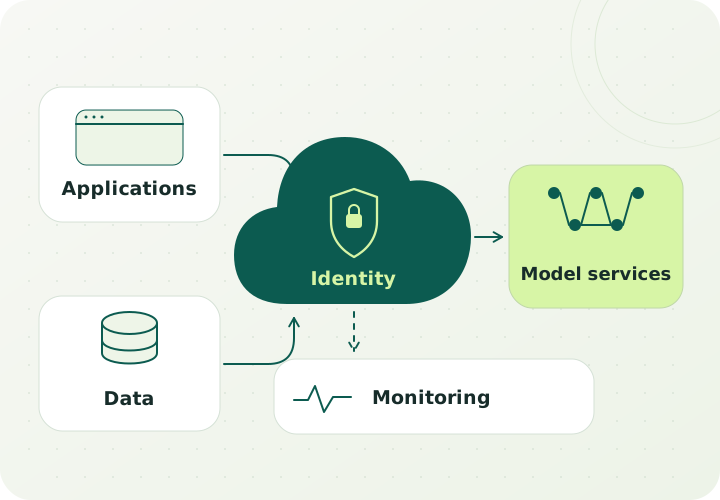
A clearer view of the current environment can inform the next application or AI workload. That later project still needs its own architecture, access, model or application evaluation, and operational scope. The cost review helps make the starting assumptions visible.
 isospins